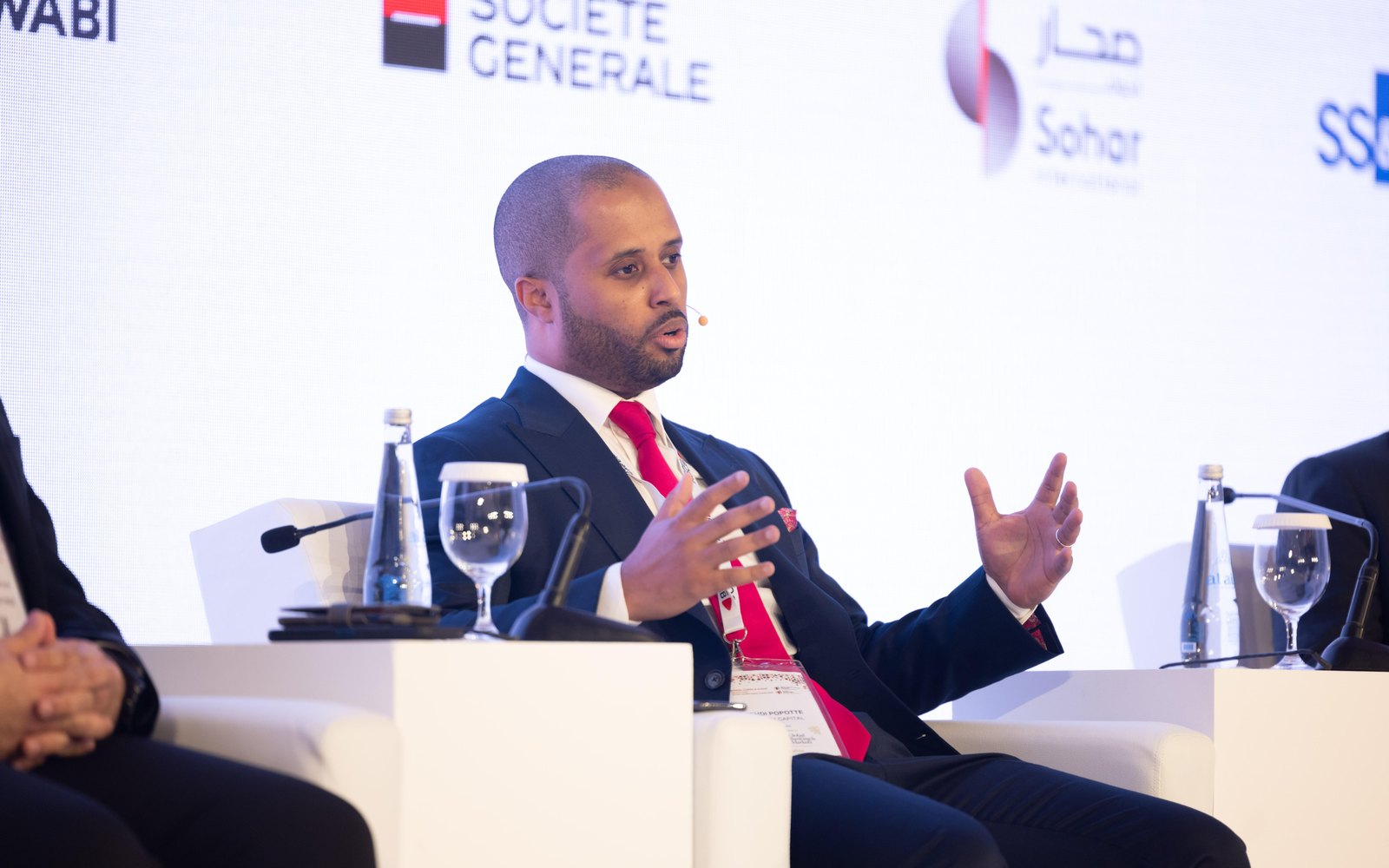
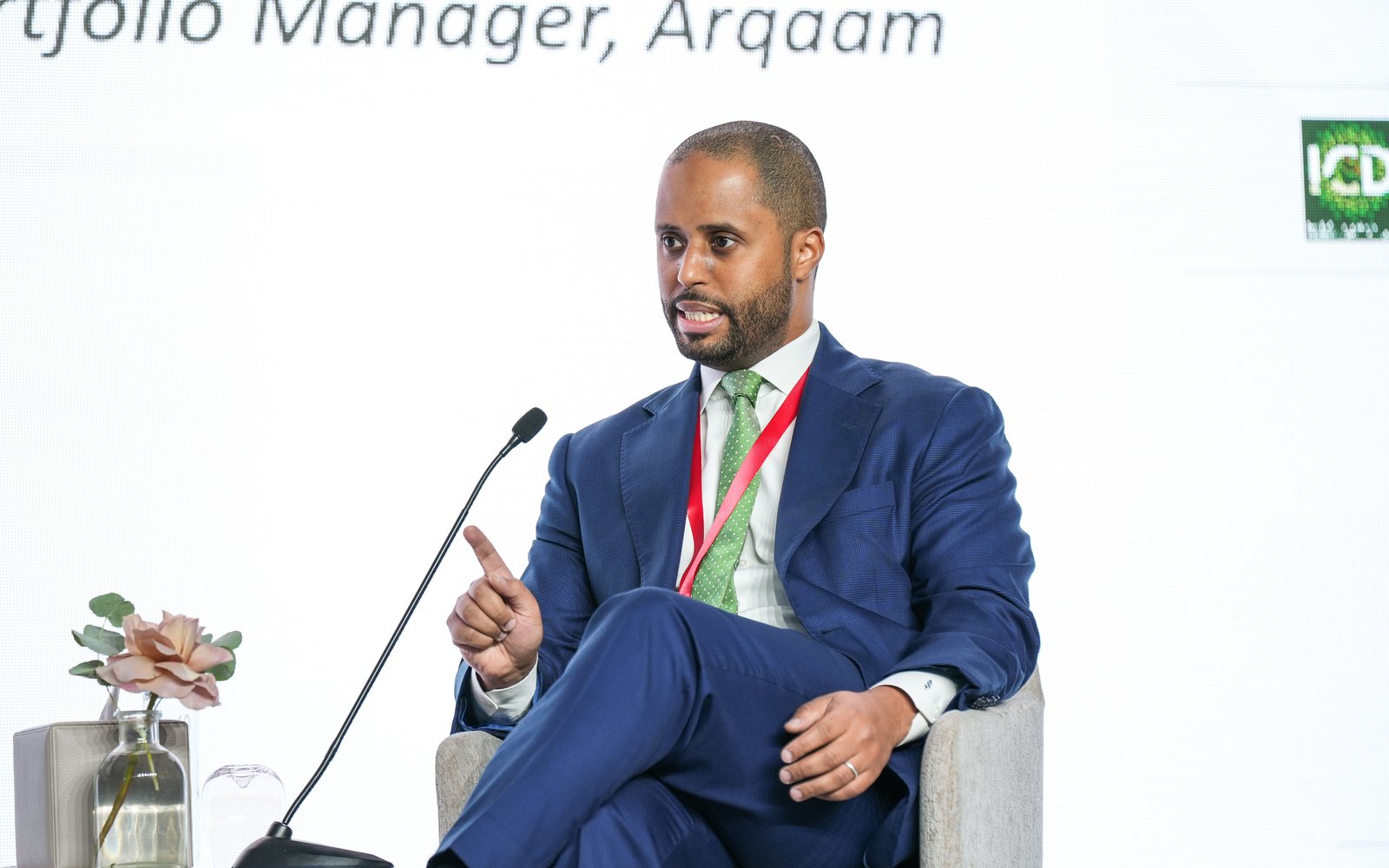
I manage over $500 million in Shariah-compliant assets for people who could have bought conventional bonds and chose not to. Fifteen years in Islamic markets. CFA Charterholder. Dubai. By every measure I was raised to chase, I had arrived.
And then I opened the Quran from the back, and it took the floor out from under me.
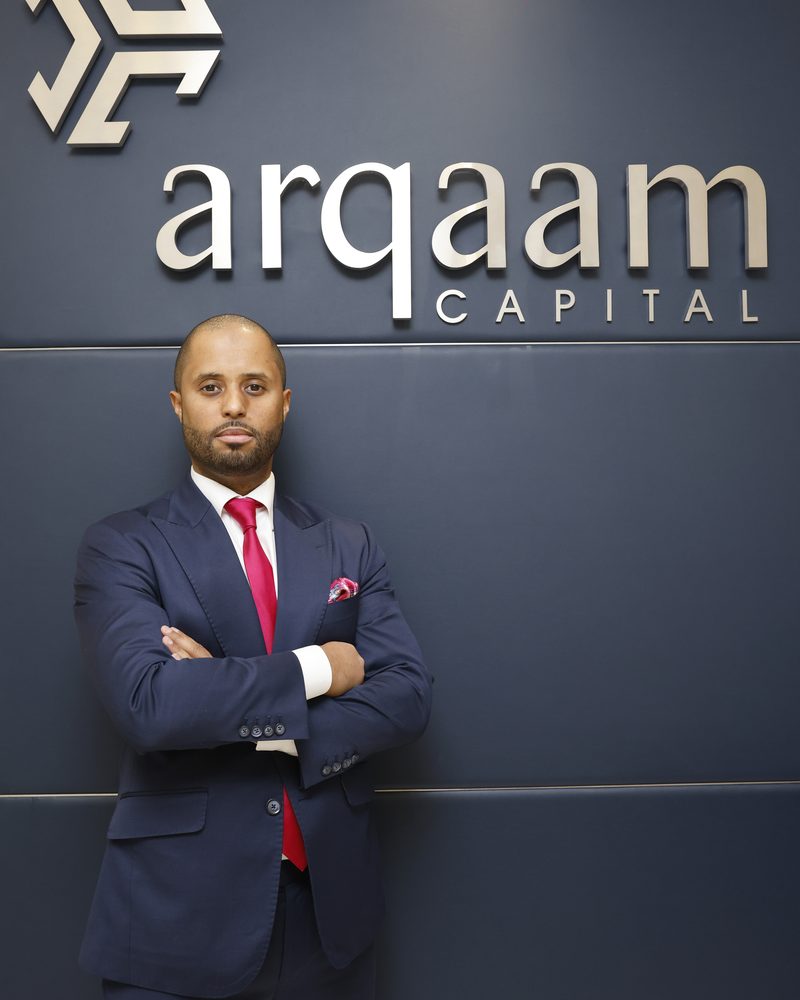
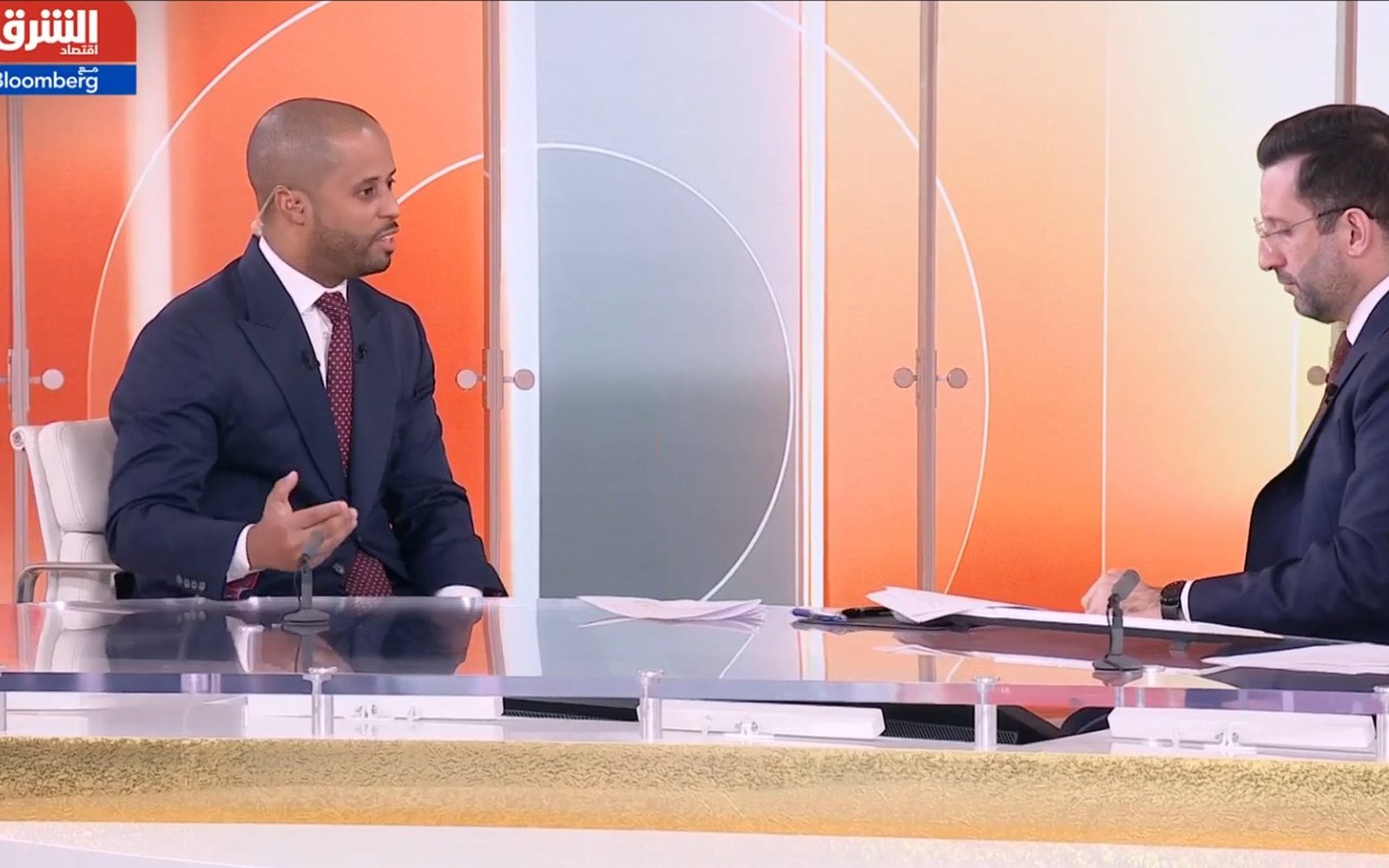
I walked into finance the year the conventional world fell apart. 2008. I was finishing my studies while the global system everyone called solid came down like a house of cards. Most people saw a catastrophe. Looking back — Alhamdulillah — I see the first time Allah redirected me without my noticing.
Because I had watched, up close, how fragile a system built on Riba really was, I went looking for one that could stand. In 2009 I took a master's in Islamic Finance at Durham and sat for the CFA alongside it. Then I did the unglamorous part nobody puts on a website: I knocked on doors. Over two hundred of them — London, Switzerland, across the Gulf — until one finally opened.
The door that opened was a junior Sukuk and equities seat at one of the largest Islamic institutions in Abu Dhabi. For five years I lived inside Islamic capital markets — trading Sukuk, executing Shariah-compliant transactions, learning the instruments from the inside out. It was demanding and it was clean, and — Alhamdulillah — I loved every difficult day of it. This is where the expertise that would one day become The Muslim Investor was quietly taking root — long before I knew there was anything to build.
The pull of building my own thing won. In 2016 I founded a foodtech company and poured everything into it — my time, my savings, my sense of who I was. By Allah's grace it came alive. It grew. And then, slowly, not in one dramatic blow but inch by inch, it began to die in front of me. By 2018 it was gone.
“It was really a mourning. You imagine something — with the grace of Allah, you bring it to life, it is growing — and then suddenly it has to die. Like a house of cards.”
That second ending was not a business lesson. It was a spiritual recalibration. It shattered a flattering story I told about myself — that I was an entrepreneur — and revealed something truer underneath. Because in every spare hour, escaping the grief of it, I was not watching anything else. I was watching markets. Studying Sukuk. Reading the flows. Finance was not my career. It was my fitrah — the thing I was made for.
I returned to the Sukuk market, but not to the work I had loved. I came back through brokerage — intermediating other people's trades. I was good at it. I quietly hated it. After running my own company, sitting in the middle of other people's deals felt like wearing a borrowed coat that never fit.
So I started looking for a way out. By 2022 I was trying to build something of my own again — financial education. First for the French market, until I realized a French finance guy in Dubai selling courses looked exactly like the influencer-scammers who were ruining people out here. I pulled back — Alhamdulillah I saw it in time. Then in English, on my real credentials. Closer — but online finance advice is an ocean of noise, everyone shouting, no one heard. So I stopped censoring the one thing I knew better than almost anyone, and went all in on it: Islamic investment.
In 2023 the door I had wanted all along finally opened. I moved off the brokerage floor and onto the buy side — managing money instead of intermediating it. Today I steward over $500 million in Shariah-compliant assets as a Senior Sukuk Portfolio Manager in Dubai. My team and I were named best Sukuk fund two years running at the Global Banking & Markets Middle East Awards, and best Sukuk fund over three and five years by Lipper.
With the career finally where I wanted it, the side project changed shape. In 2024 I built the first version of The Muslim Investor — a premium Islamic wealth platform, $250 a month, a mentorship tier on top, the whole polished offer. A good business.
A career I love. Halal, to the last decimal. Recognized by people whose recognition is hard to earn. By every measure I was raised to chase, I had arrived — Alhamdulillah. I should have felt finished. I did not.
وَالْعَصْرِ ۙ إِنَّ الْإِنْسَانَ لَفِي خُسْرٍ
The short surahs at the end of the mushaf are almost all Meccan. And they hammer one thing, over and over, with a force I was not ready for: the Day of Judgment. The reckoning. The scales. The book placed in your right hand, or your left. I read it at night and it struck a chord so deep I could not put it down.
And here is what shook me most. I believed in that Day. I always had. But I was living the way almost all of us live — SubhanAllah, how easily we do this — with the Day of Judgment somewhere at the back of my mind, when it is the one thing that should be at the very front. It is the common denominator of everything. Every dirham, every hour, every choice runs toward it. I had built a career around endings — a collapsing system, a company I buried — and somehow kept the final ending, the only one that does not reverse, filed away as a distant idea.
Then I found the hadith, collected by At-Tirmidhi: that not one of us will move from before our Lord until we are asked about our life, our youth, our knowledge — and our wealth. Two of those questions are about money. How you earned it. How you spent it. SubhanAllah — every single person who has ever lived will stand and answer that. And I was sitting on the exact knowledge that helps a Muslim answer it well — planning to sell it to the few who could afford a premium price.
“I could keep this for the 0.1% who can pay. I would make more money and spend less time. But would it turn for me on the Day of Judgment? Maybe not.”
That question answered every other question I had been asking about positioning, and niche, and audience. The Muslim Investor stopped being about halal wealth. It became about the Muslim who invests in his Akhirah — who takes every resource Allah has placed in his hands and spends it preparing for the day he is asked.
I had been ready to charge $250 a month. Then a friend heard me describe the vision — to reach the whole Ummah, two billion people — and then heard the price. He said the words that finished what the Quran had started:
“You cannot tell me you want to help two billion Muslims and charge $250 a month. That is helping the one percent. Not the ninety-nine.”
It was a slap to the soul, and I needed it. So the price is nine dollars a month. Not because the work is small — it is the same analysis I steward for institutions — but because a $250 fee serves the wealthy, and a $9 fee serves the doctor in Jeddah and the student in Jakarta. Enough that you have skin in the game. Little enough that almost no one is turned away at the door.
And I will be honest with you about why — because the brother who gives it to you straight is the one worth trusting:
“In a very selfish manner, I want to collect Hasanat. This is what I want to do. This is all I want to do.”
Collecting Hasanat matters more to me than collecting dollars. The more Muslims this reaches, the more I hope it weighs for me on the Day I will be asked the very same questions you will be asked. When a man tells you he is doing this to save his own soul — and the way he saves it is by helping save yours — your incentive and his are the same. That is the most honest thing I can offer you.
So in 2026 I tore the premium platform down and rebuilt it from the ground up as what it should have been from the start — not a product for the few, but a system for the Ummah. This, what you are reading, is that rebuild.
The tools I put in your hands are the same logic I use to steward half a billion dollars. Not a course built from theory — a practice, opened up.
Senior Sukuk Portfolio Manager in Dubai, managing real Shariah-compliant money for institutions and individuals.
Best Sukuk fund two years running (Global Banking & Markets Middle East Awards); best Sukuk fund over 3 and 5 years (Lipper).
CFA Charterholder. MSc Islamic Finance (Durham). MSc Financial Management (Neoma).
Fifteen years in Sukuk and, by Allah's mercy, every move into conventional finance refused. Alhamdulillah.


I am, by every account I can give, a fortunate man — Alhamdulillah. I was handed a career I love, kept clean from Riba when so many doors pulled the other way, and given knowledge I did nothing to deserve. The only thing I can do with a gift like that is pass it on — and hope, inshaAllah, that it is recorded. If I am granted one thing, I want it to be the chance to stand before my Lord and say:
“Ya Rabb, I tried my best to remind myself, and the people around me, to worship You through the rizq You gave them.”
“The most beloved of people to Allah are those who are most beneficial to people.”
Al-Muʿjam al-Awsaṭ · graded Ḥasan by al-Albānī
It starts with the Pledge. Free, and the first step, inshaAllah, in preparing your answer.
Start with the Pledge